
Learn what off-road diesel (red dye diesel) is, who can use it, compliance rules, and how bulk delivery improves fuel planning and operations.
Fuel is one of the largest controllable expenses in agriculture, construction, and industrial operations. For businesses relying on off-road diesel, decisions about fuel impact more than just price; they influence regulatory compliance, operational uptime, and long-term planning.
Operators who approach diesel as a planned operational input, rather than a last-minute purchase, experience fewer disruptions and more predictable costs. Businesses that need dependable fuel logistics often partner with bulk fuel delivery providers like Windecker Fuel to ensure a consistent supply across all their job sites and facilities.
Whether managing a single farm tank or coordinating supply across multiple projects, disciplined fuel planning is essential for reducing operational risk. Many operators searching for “off-road diesel near me” are actually looking for a reliable fuel supplier that can deliver diesel directly to their operation, eliminating the need to rely on retail fuel stations.
Before exploring delivery strategies and planning models, it is important to understand what off-road diesel is and how it differs from standard highway diesel.
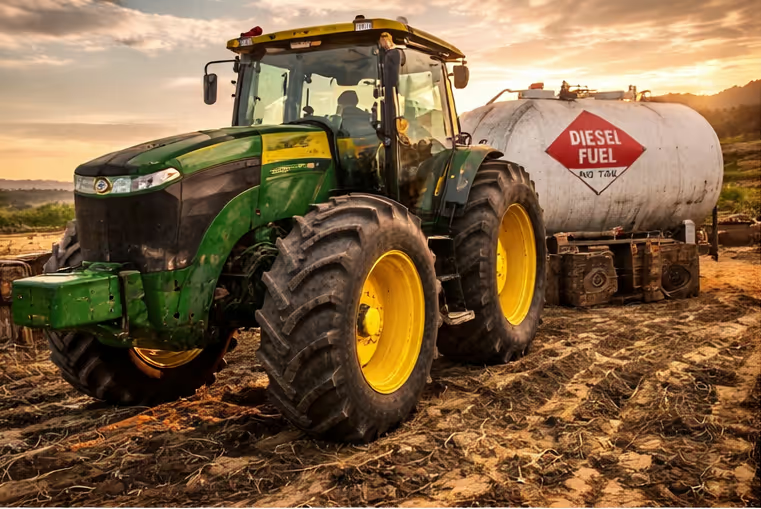
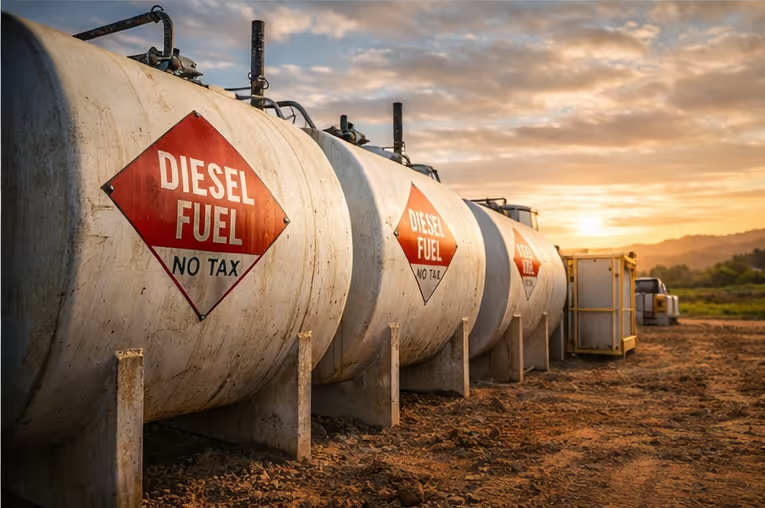
Off-road diesel is tax-exempt diesel fuel used in equipment that does not operate on public roads.
Also known as red dye diesel, it is ultra-low sulfur diesel (ULSD) that is chemically identical to on-road fuel but distinguished by its tax classification, red dye, and permitted use.
From an engine performance standpoint, there is no difference between the fuels. Both meet the same federal ULSD standards. The distinction is regulatory.
Off-road diesel is commonly referred to as red-dye diesel, dyed diesel, farm diesel, or tax-exempt diesel fuel, all of which describe diesel fuel intended for non-highway equipment.
The red dye allows inspectors to quickly identify tax-exempt fuel during roadside inspections and compliance checks. The dye does not affect combustion, emissions performance, or engine reliability.
From a mechanical perspective, the fuels are the same. From a compliance standpoint, they are very different.
Understanding what off-road diesel is and how it differs from on-road diesel protects operators from fines and improper fuel use.
Off-road diesel (red dye diesel) is standard diesel fuel that is tax-exempt and legally used in equipment that does not operate on public roads.
While chemically identical, the two fuels differ in taxation and permitted use.
For businesses that consume large volumes of diesel, understanding this tax distinction can significantly impact operating costs.
Selecting the appropriate fuel classification ensures compliance while protecting margins.
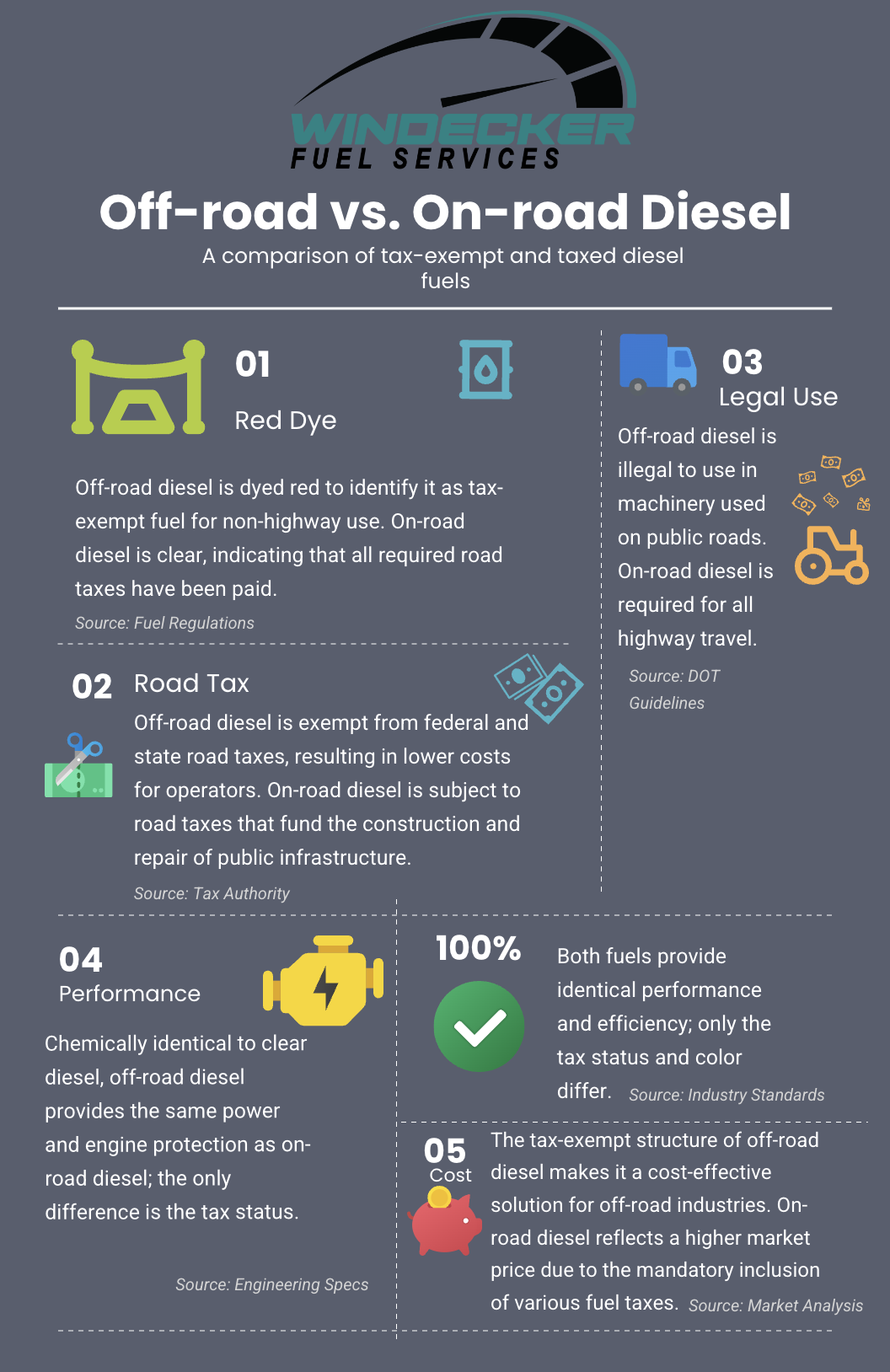

Diesel sold for highway vehicles includes federal and state road taxes.
These taxes help fund the construction and maintenance of public road infrastructure.
Off-road diesel does not include these taxes because it powers equipment that does not operate on public highways.
To prevent misuse of tax-exempt fuel, regulators require suppliers to dye off-road diesel red.
Inspectors can detect the dye even at very low concentrations.
The dye serves three primary purposes:
• Identifies the fuel as tax-exempt
• Simplifies enforcement during inspections
• Prevents improper use in highway vehicles
The red dye is not related to fuel quality or performance. It exists purely as a compliance marker.
Understanding this rule helps operators avoid costly mistakes and maintain proper fuel management practices.
No.
Both off-road diesel and on-road diesel must meet ultra-low-sulfur diesel standards. Modern diesel engines run identically on either fuel when used within their legal applications.
The price difference reflects tax treatment, not fuel grade.
If your equipment qualifies for off-road diesel, you are not sacrificing engine performance or fuel quality.
Misconceptions about dyed diesel often stem from pricing differences rather than technical differences.
Off-road diesel is legal for use in equipment that does not operate on public roads.
Common examples include the following types of machinery:

Off-road diesel plays a critical role in agricultural operations where diesel-powered equipment operates almost entirely off public roadways.
From planting through harvest, many farms rely on consistent fuel access to keep machinery running during narrow seasonal work windows.
Because agricultural activity often concentrates fuel demand into specific periods of the year, structured fuel planning helps prevent supply disruptions during planting, harvesting, and irrigation cycles.
Many operations coordinate scheduled diesel deliveries and maintain on-site storage to ensure equipment can run continuously during peak activity.
Off-road diesel is commonly used in agricultural equipment such as:
• Tractors
• Combines
• Harvesters
• Irrigation engines
• Stationary generators
For agricultural operators, fuel availability directly affects productivity.
Planning diesel supply ahead of seasonal demand helps stabilize operations and reduces the need for emergency fuel sourcing during critical periods.

Construction projects depend heavily on diesel-powered equipment operating across job sites that typically remain off public roadways. Maintaining reliable fuel supply is essential for keeping machinery running and preventing delays that can disrupt project timelines.
Because construction work often involves multiple machines operating simultaneously, fuel demand can change quickly depending on project phase. Many construction managers coordinate scheduled diesel deliveries and maintain on-site fuel storage to ensure equipment remains operational throughout the workday.
Off-road diesel is commonly used in construction equipment such as:
• Excavators
• Bulldozers
• Skid steers
• Loaders
• Job-site generators
• Air compressors
Reliable fuel access supports consistent equipment uptime and helps construction teams maintain workflow continuity across active job sites
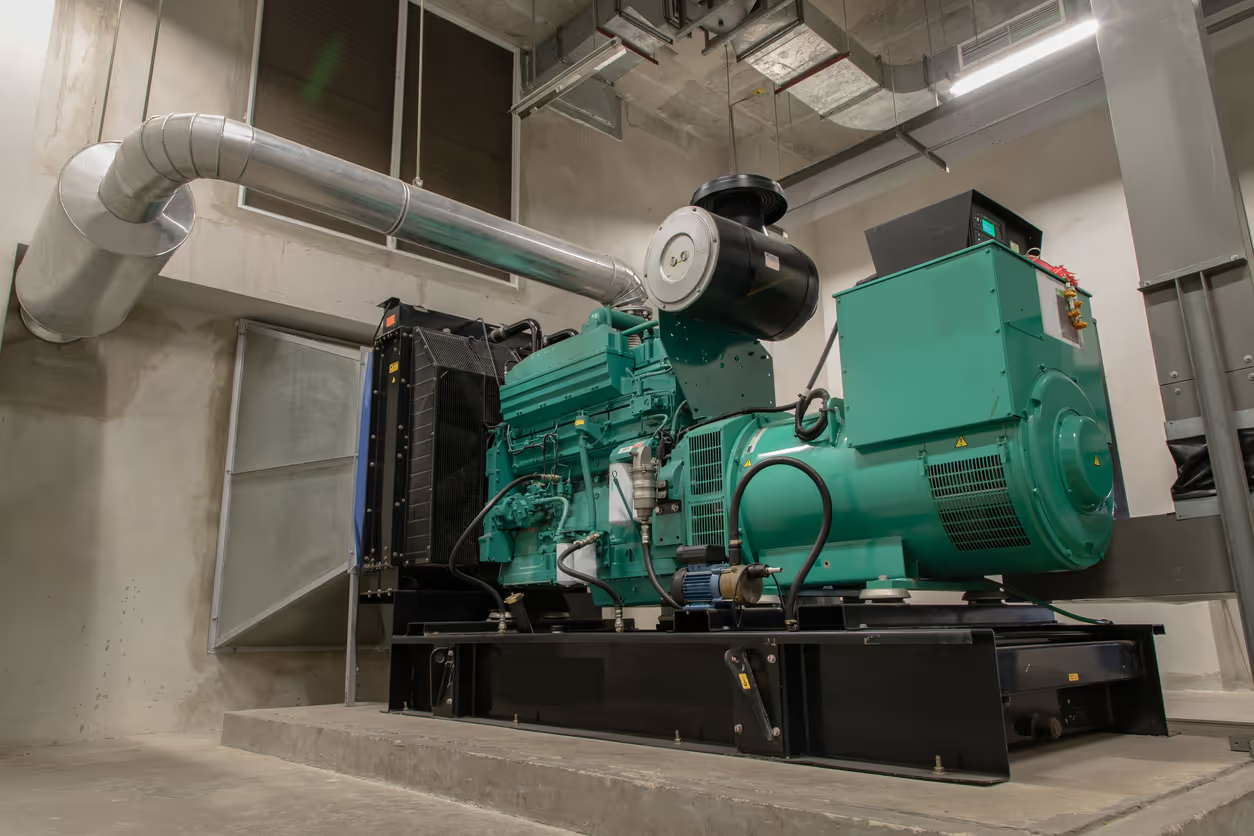
Off-road diesel is also widely used across industrial and commercial environments where diesel-powered equipment operates entirely off public highways.
These applications often involve stationary equipment, private-property vehicles, or machinery supporting critical operations. In these settings, fuel reliability is closely tied to operational continuity.
Facilities that depend on diesel-powered systems frequently coordinate bulk delivery schedules and maintain on-site storage to ensure consistent access to fuel during high-demand periods or emergency situations.
Off-road diesel is commonly used in:
• Marine vessels
• Yard trucks operating exclusively on private property
• Refrigeration units and refrigerated trailers
• Backup generators and emergency power systems
In many industrial environments, diesel supply planning is integrated into broader operational risk management. Reliable access to fuel helps protect uptime, maintain service continuity, and prevent costly interruptions.
Yes — but only under specific conditions.
A diesel engine runs the same on dyed or clear fuel. The difference is legal, not mechanical.
If a truck operates exclusively on private property, such as a farm or industrial facility, the use of dyed diesel may be permitted. However, if that same vehicle travels on public roads while containing red dye diesel, it may violate federal or state regulations.

Mixed-use fleets should establish clear fuel policies to prevent accidental misuse.
Best practices include:
• separate storage tanks
• clear labeling systems
• documented fuel policies
• employee training
Fuel compliance should be planned proactively rather than handled reactively.
Improper use of tax-exempt diesel can lead to serious financial and regulatory consequences.
Potential penalties may include:
• Federal fines
• State penalties
• Per-gallon assessments
• Back-tax recovery
• Increased audit scrutiny
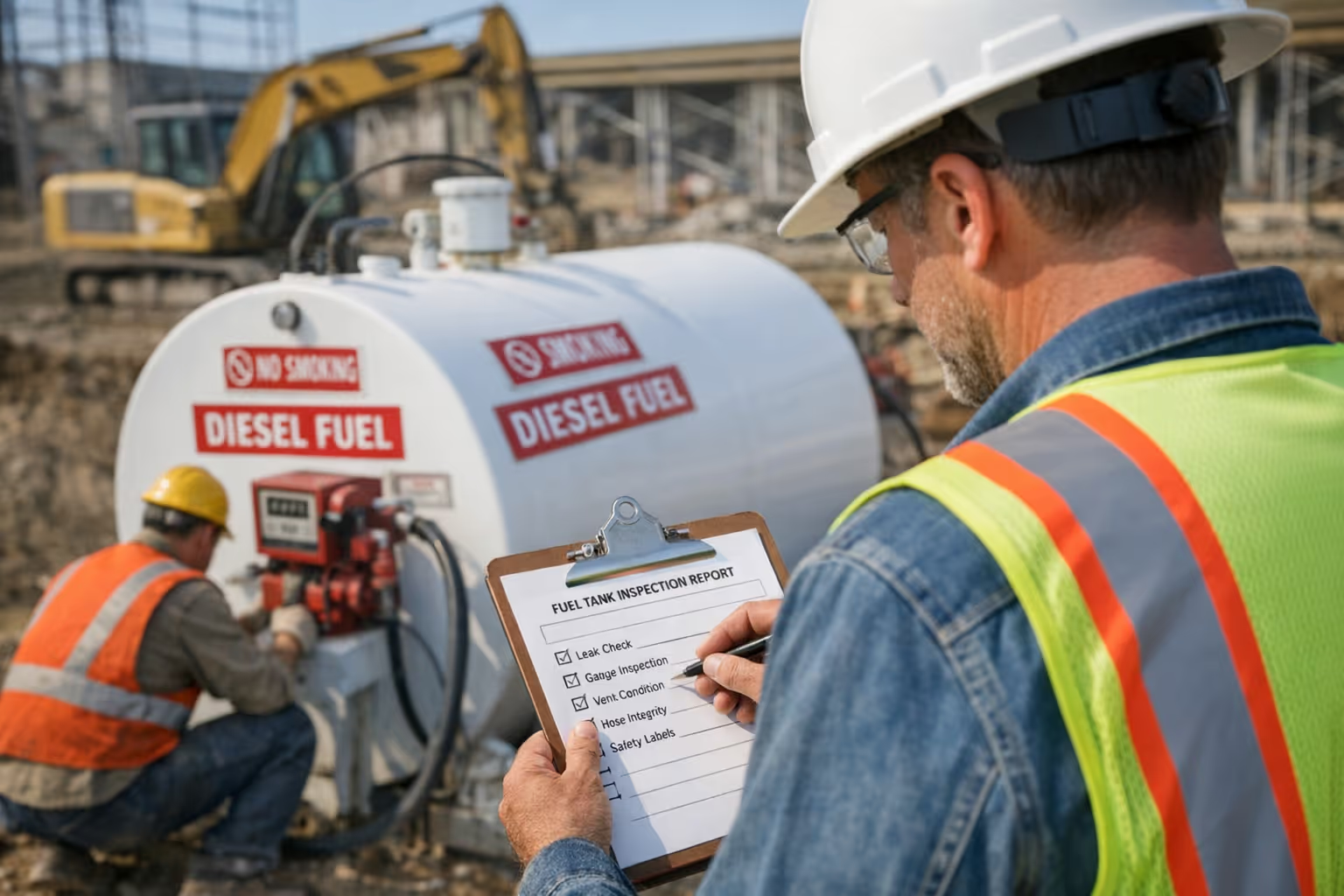
Enforcement mechanisms vary depending on jurisdiction and the volume of fuel involved.
Operators managing mixed fleets should implement structured compliance procedures such as:
• clear fuel labeling
• separate storage systems
• documented deliveries
• internal usage logs
Fuel compliance is an operational responsibility, not just a purchasing decision.
Disciplined fuel policies reduce regulatory exposure and support long-term operational stability.
We support farms, job sites, and industrial operations with structured diesel delivery across California.
Fuel should not be treated as a last-minute purchase decision. For operations that rely on diesel-powered equipment, fuel planning is part of operational management.
Disciplined operators forecast consumption, align deliveries with work cycles, and maintain appropriate on-site storage to prevent disruptions.
A structured off-road diesel strategy typically considers:
• Weekly consumption patterns
• Seasonal demand cycles
• Storage capacity
• Delivery timing
• Emergency reserve planning
When diesel is integrated into operational planning, downtime risk decreases and procurement becomes more predictable. Fuel planning supports both operational continuity and margin stability.

Agricultural fuel demand often spikes during planting and harvest cycles.
Scheduling bulk off-road diesel deliveries ahead of these peak periods helps prevent supply disruptions and stabilizes workflow.
Operators who forecast fuel demand and coordinate deliveries in advance avoid last-minute procurement and unnecessary downtime.

Construction timelines depend heavily on equipment uptime.
Fuel interruptions can delay:
• earthmoving
• site preparation
• equipment staging
Aligning diesel delivery schedules with project phases creates operational consistency.
Scheduled refills reduce disruptions and protect project timelines.
Windecker helps agricultural, construction, and industrial operators coordinate delivery rhythm, tank capacity, and off-road diesel supply.
Fuel storage capacity should align with operational demand.
Tanks that are too small increase the likelihood of emergency deliveries. Tanks that are too large can tie up capital and increase exposure to stored inventory.
Professional fuel distributors often assist operators with:
• consumption analysis
• refill scheduling
• storage planning
• site access coordination
Establishing a reliable delivery rhythm helps maintain consistent fuel availability.
Operators using red dye diesel should maintain clear compliance documentation.
Recommended practices include:
• separate fuel storage systems
• clearly labeled dispensing equipment
• documented delivery receipts
• usage tracking logs
• internal fuel policies
Clear documentation improves inspection readiness and reduces regulatory exposure.
In California, additional environmental and storage regulations may apply depending on storage capacity and location.
California adds regulatory complexity beyond federal diesel standards.
Air quality rules, environmental policies, and regional enforcement practices require careful fuel planning.
Operators in California benefit from working with distributors familiar with local fuel regulations and logistics.
Fuel planning in California requires both operational discipline and regulatory awareness.
Structured delivery programs simplify fuel planning and reduce operational friction.
Many operators searching for “off-road diesel near me” are looking for a reliable fuel supplier that can deliver fuel directly to their operation.
Across California, agricultural producers, construction companies, fleets, and industrial facilities frequently rely on bulk off-road diesel delivery rather than retail fuel pumps. Bulk delivery allows fuel to be stored on-site, scheduled around operational needs, and aligned with seasonal demand.
Working with a regional distributor helps operators plan fuel supply, maintain compliance, and avoid last-minute sourcing during peak operating periods.
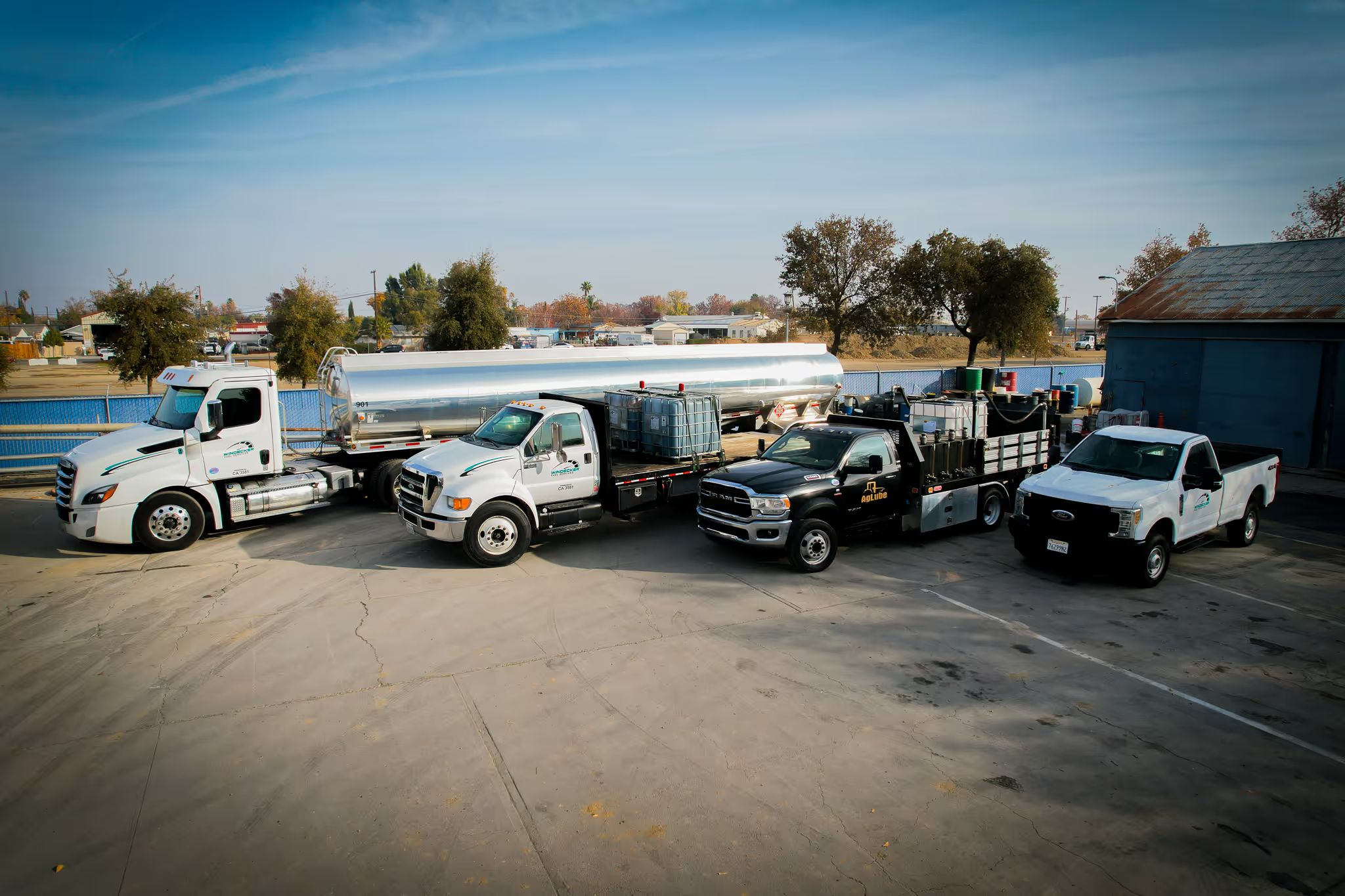
Licensed fuel distributors like Windecker Fuel Services provide structured off-road diesel delivery across California, helping businesses maintain fuel availability, improve compliance, and reduce downtime.
Operations with limited fuel demand may rely on retail diesel pumps. As fuel consumption increases, however, bulk off-road diesel delivery often becomes the more reliable and efficient option.
Bulk delivery reduces the need for equipment operators to leave job sites, improves fuel availability, and allows businesses to align fuel supply with operational schedules.
Bulk off-road diesel delivery supports:
• Scheduled tank refills
• On-site fueling
• Reduced equipment downtime
• Improved fuel cost visibility
• Emergency supply support
For operations with consistent diesel demand, structured delivery programs simplify fuel logistics and reduce operational friction.
Windecker Fuel Services supports agricultural, construction, and industrial operations across California with structured diesel delivery programs.
Services include:
• bulk off-road diesel delivery
• scheduled refill programs
• on-site fueling support
• emergency fuel coordination
• strategic fuel planning
Our focus is on reliable execution and operational discipline.
For businesses that depend on consistent access to diesel, structured fuel planning improves operational continuity.
Businesses evaluating diesel supply strategies can explore structured bulk fuel delivery programs designed to support agricultural, construction, and industrial operations.
Let’s build a fuel plan that supports uptime, compliance, and operational continuity.